Subsystems

Click any subsystem image below to view the latest progress updates.

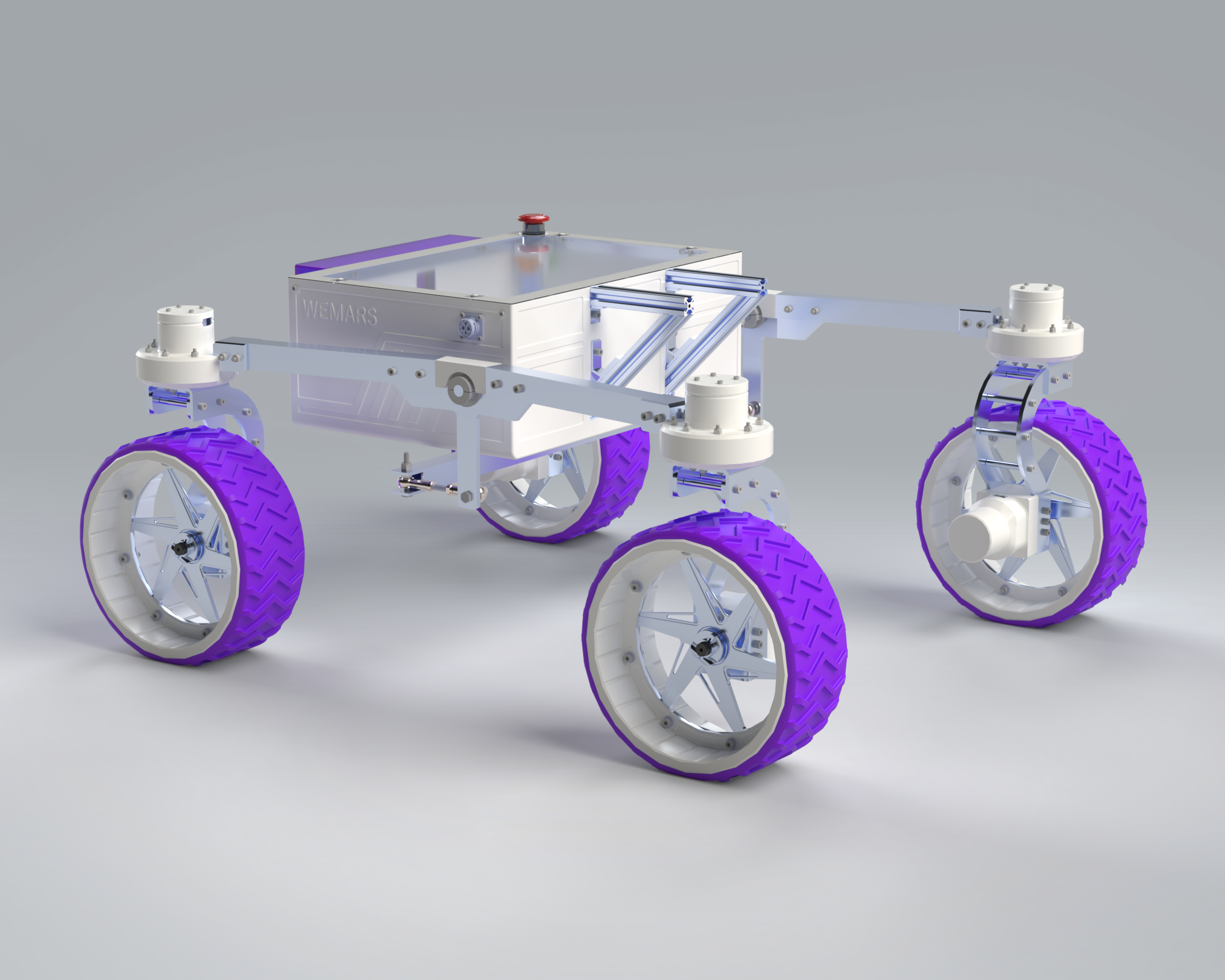
Mechanical subsystem

Mechanical

We design, test, and build everything mechanical on the rover, from material selection and CAD to prototyping and manufacturing. Our focus is on parts that hold up on rough terrain and still handle precise work with the arm.

We work closely with electrical and software to make sure everything fits together. Right now we're building a new rover and using what we learned at past competitions to push past what we've done before.
Electrical subsystem

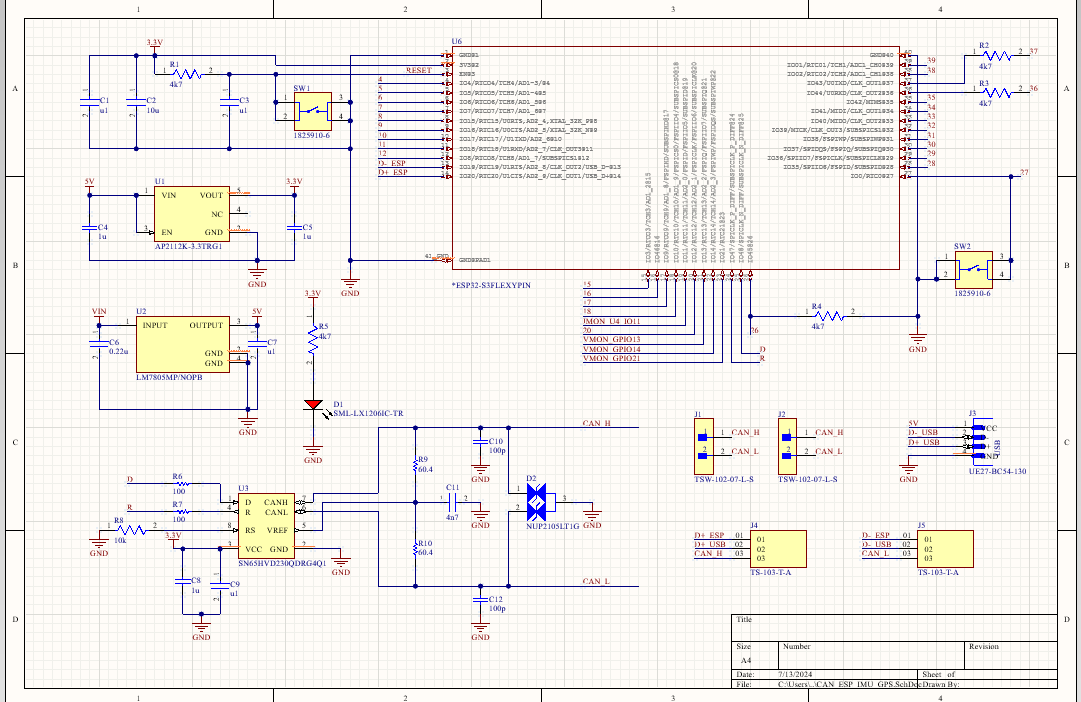
Electrical

We handle all the hardware on the rover and build a lot of it in-house: power distribution, GPS, IMUs, CAN communication, and more. Team members pick up PCB design in Altium, embedded systems, circuit protection, and getting different boards talking to each other.

We keep the arm and motors powered for mechanical and run the sensors and computers software needs, so staying in sync with the other subteams is a big part of the job. This year we're focused on our upgraded PDB and a modular board architecture that reduces wiring across the rover.
Software subsystem

Software

We get motor control, sensors, CAN bus, and communications running on the rover. Right now we're bringing sensors like LiDAR, cameras, IMU, and GPS online through ROS2.

We're using last year's rover as a test bed so when the new build is ready, most of our software drops in with minimal rework. This summer we're hoping to push into autonomous navigation and computer vision.
Business subsystem

Business

We manage the team's money: sponsors, purchases, and keeping track of where funds go. With a brand-new rover in the works, landing sponsors makes a real difference.

We also handle team apparel and plan social events so people get to know each other outside the lab.
Science subsystem

Science

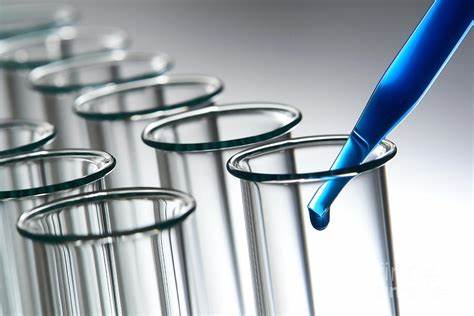
We build the tools to collect and analyze soil samples, including holders and testing procedures. Right now we're working on a sampler that mounts to the arm so we can swap payloads without rebuilding the whole setup.
Mechanical Subsystem

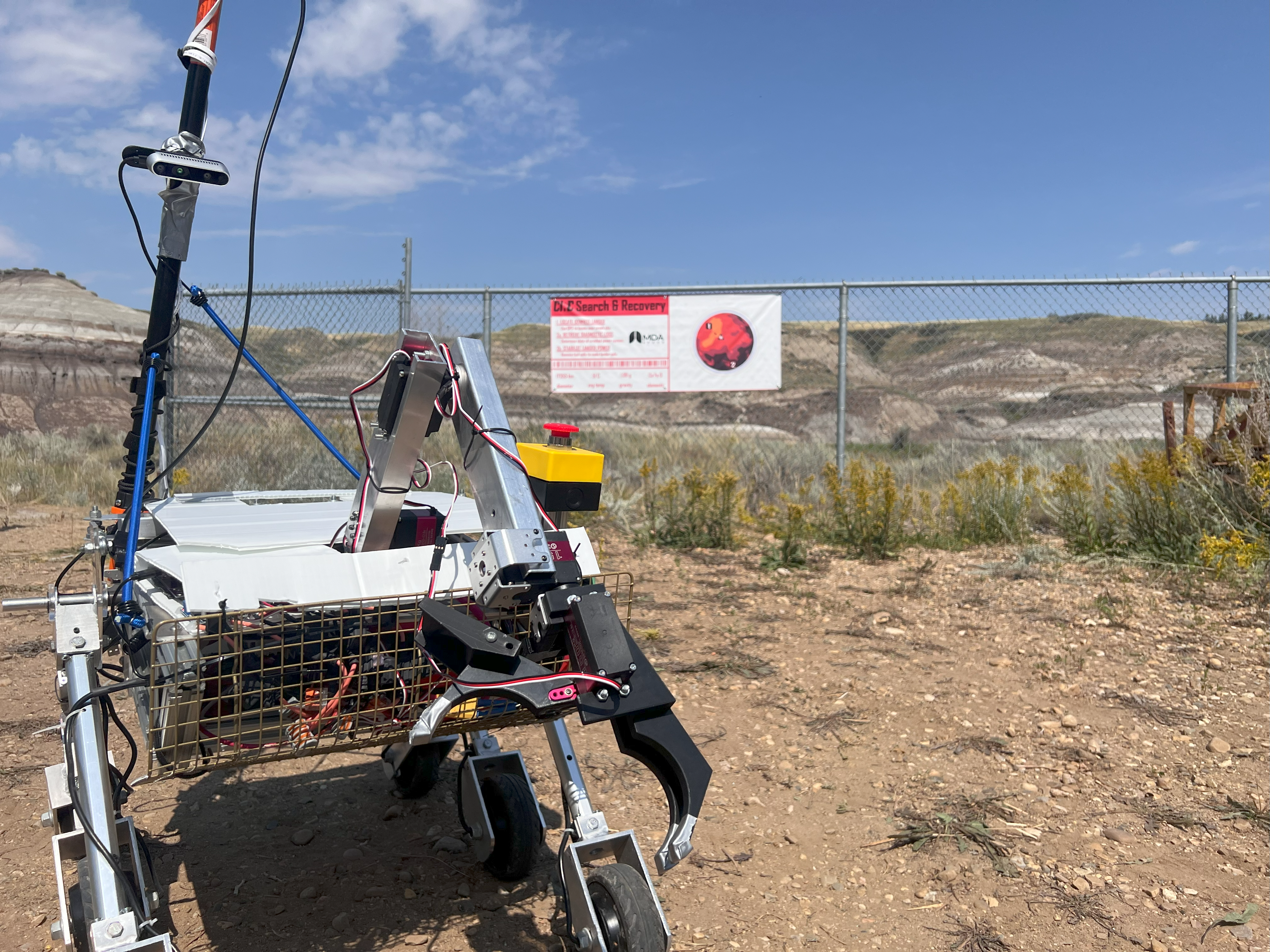
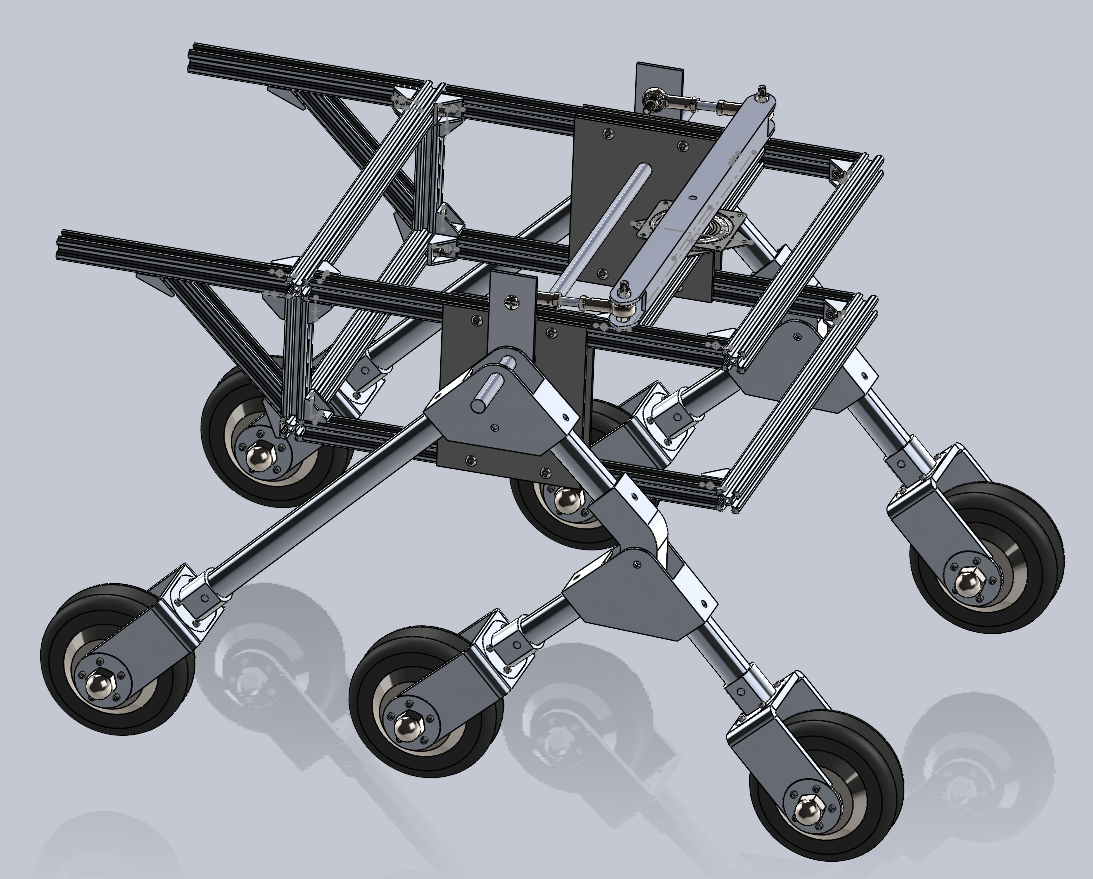
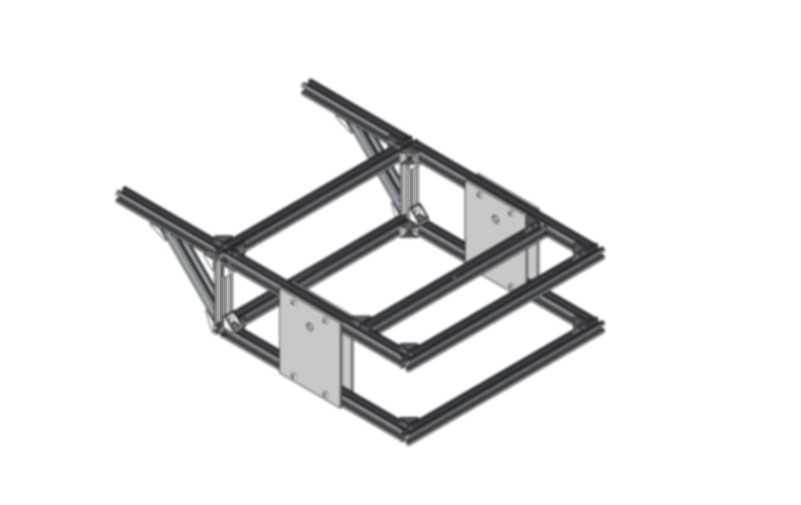
Here are some images of the 2023/2024 rover. With only 8 memebers and 4 months to redesign and build the, chassis, differential bar, and arm, our team stopped at no cost to get it done. CIRC proved to be a real test of teamwork and clever (last-minute) engineering challenges. Given our small budget, our team had to design and build everything from scratch, using the cheapest materials possible. This meant that we had to be creative with our designs, and we had to be resourceful with our materials.

Mechanical progress Mechanical subsystem Mechanical progress

In the 2024/2025 season, our team grew to 70 members, allowing us to work on more complicated designs at a faster pace. Our goal remains the same from last year; to design the smallest and lightest rover competing at CIRC. As of March we have completed 90% of our final design and are on track to complete manufacturing from may-aug.

Electrical Subsystem

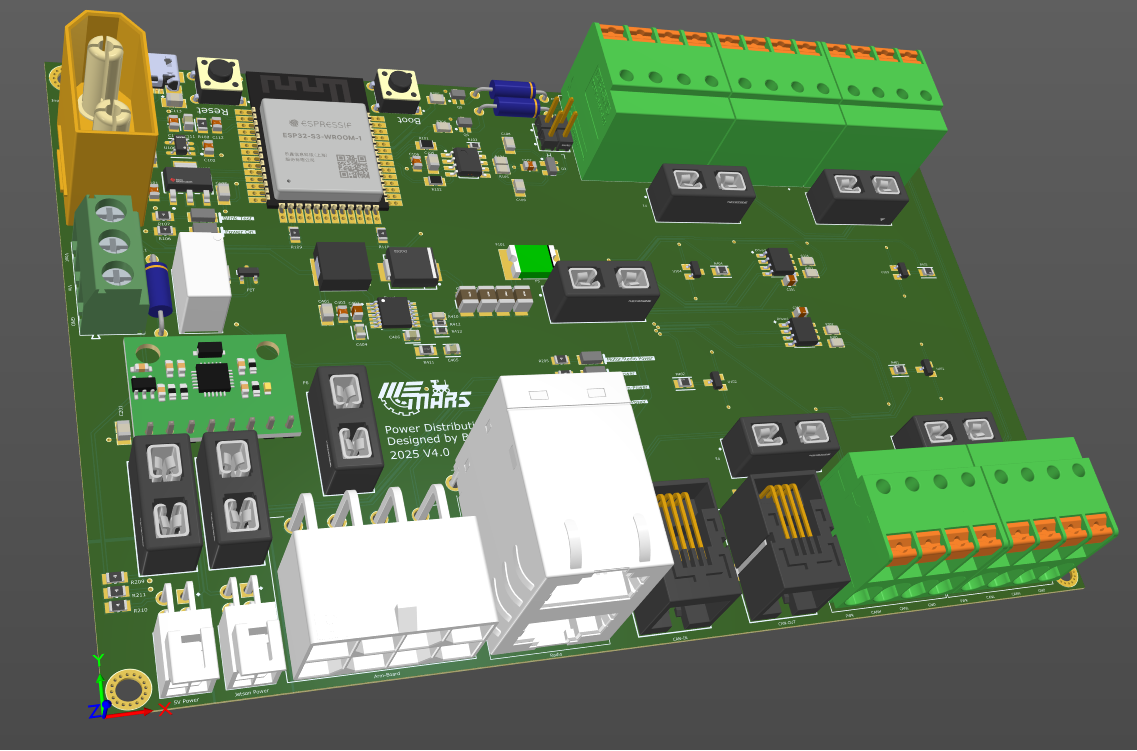
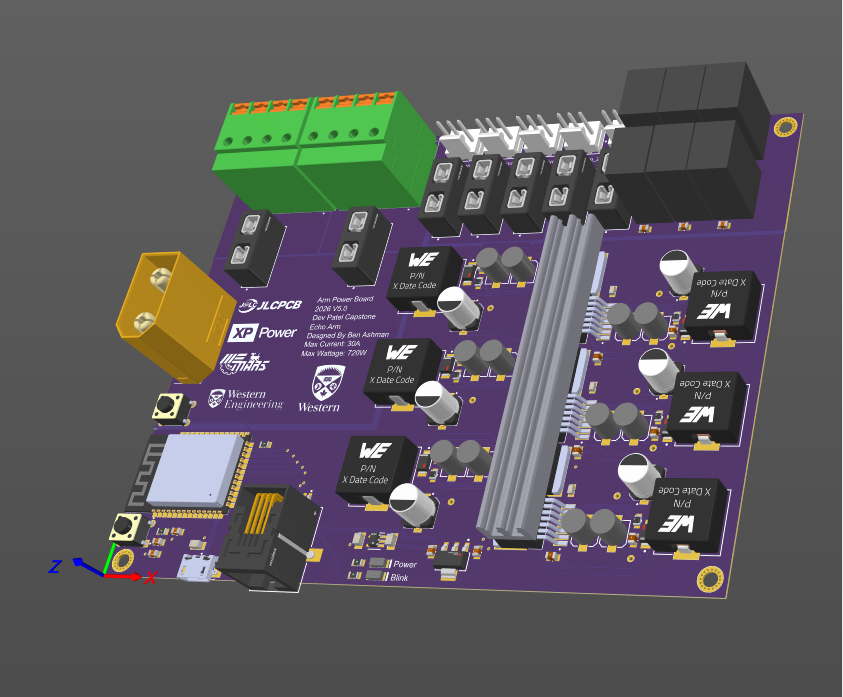
We are upgrading our power distribution board to support 6S LiPo batteries and evolving it into a central motherboard that handles power distribution, CAN communication, and other core rover electronics. Our GNSS and arm boards now plug directly into the PDB, improving modularity and reducing wiring across the rover.

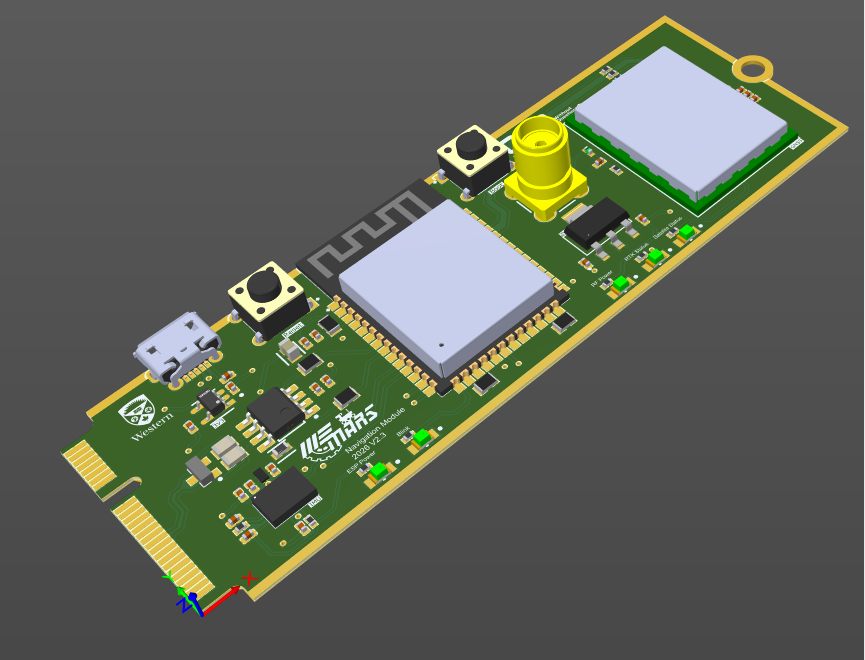
Power distribution board GNSS board Arm board

We also built a new GNSS board around the u-blox ZED-F9P, bringing centimeter-level positioning accuracy onboard the rover.

Software Subsystem

Latest progress updates for the software subteam will be posted here. Add photos of autonomy testing, sensor integration, ROS2 setup, and on-rover software milestones.

Progress photo
Progress photo
Progress photo

Business Subsystem

Latest progress updates for the business subteam will be posted here. Add photos from outreach events, sponsor meetings, team apparel launches, and social events.

Progress photo
Progress photo
Progress photo

Science Subsystem

Latest progress updates for the science subteam will be posted here. Add photos of sample collection prototypes, lab testing, and science payload integration.

Progress photo
Progress photo
Progress photo